Urgent Call to Action: Leveraging energy efficiency and nature-based solutions amid record heatwaves
Share this


As the planet faces unprecedented heat waves, with July 2024 marking the hottest month ever recorded, UN Secretary-General António Guterres issued a Call to Action on Extreme Heat. This initiative, supported by the World Meteorological Organization (WMO) and other UN entities, highlights the urgent need to address the socio-economic, environmental, and human threats posed by extreme heat.
Record-breaking heat and its impacts
Call to Action on Extreme Heat was launched during a week that recorded the three warmest days in recent history. On July 22, 2024, the daily global average temperature reached a new high of 17.16°C. UN Secretary-General António Guterres emphasized the dire situation, stating, "Earth is becoming hotter and more dangerous for everyone, everywhere." Extreme heat waves are increasingly affecting economies, widening inequalities, and undermining the Sustainable Development Goals. They are estimated to cause almost half a million deaths annually, significantly surpassing the approximately 10,000 deaths caused by tropical cyclones each year. The Call to Action on Extreme Heat emphasizes the need for international cooperation in four critical areas: caring for the vulnerable, protecting workers, boosting resilience through data and science, and limiting temperature rise by phasing out fossil fuels and investing in renewable energy. Energy efficient technologies and nature-based solutions (NBS) offer crucial ways to mitigate the impacts of extreme heat. Energy efficiency solutions reduce the strain on power grids and lower emissions, while nature-based solutions provide sustainable cooling and enhance resilience. https://c2e2.unepccc.org/kms_object/heat-waves-energy-efficiency-and-nature-based-solutions-podcast/Prioritizing energy efficiency solutions
To combat the rising temperatures and alleviate pressure on power grids, energy efficiency solutions are critical. Energy Efficiency Solutions:- Mandatory Minimum Energy Performance Standards (MEPS): Implementing MEPS and energy efficiency labels for appliances in regions such as the United States and the European Union have significantly reduced energy consumption of air conditioners.
- High-Efficiency Air Conditioners: The typical air conditioner sold today is less than half as efficient as the best-performing models. Consumers can significantly reduce their electricity bills and emissions by choosing more efficient air conditioning units.
- Demand Response Programs: These programs allow appliances and cooling equipment to adjust their energy consumption based on real-time electricity demand. This helps balance the grid during peak periods and offers consumers energy cost savings. In Korea, a pilot program with intelligent appliances has improved electricity savings by 24%.
Embracing nature-based solutions
Nature-based solutions (NBS) offer complementary strategies to mitigate the impacts of extreme heat and enhance energy efficiency. These solutions leverage natural processes and ecosystems to provide sustainable cooling and resilience to climate change. Key Nature-Based Solutions:- Urban Green Spaces: Integrating parks, green roofs, and green walls in urban areas can significantly reduce ambient temperatures. These green spaces provide shade, reduce the urban heat island effect, and improve air quality. Cities like Singapore and Barcelona have incorporated extensive green infrastructure combatting heat and enhancing urban livability.
- Tree Planting and Forest Conservation: Planting trees and preserving existing forests are effective ways to provide natural cooling. Trees offer shade and release moisture into the air through transpiration, which cools the surrounding environment. Initiatives such as the Great Green Wall in Africa aim to restore degraded landscapes and provide cooling benefits to local communities.
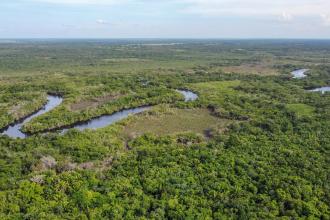
- Wetlands Restoration: Wetlands act as natural air conditioners by regulating temperatures and maintaining humidity levels. Restoring and protecting wetlands can enhance their capacity to cool surrounding areas and provide habitat for diverse species. Wetlands also help in flood control and water purification, adding to their ecological value.
- Sustainable Agriculture: Implementing agroforestry and sustainable agricultural practices can contribute to cooling rural areas. Integrating trees and crops can create microclimates that reduce temperatures and enhance soil health. These practices also promote biodiversity and improve water retention in soils.
Strengthening heat-health action plans
The Call to Action stresses the need to establish and bolster heat early warning systems in line with the Early Warnings for All initiative. This ensures at-risk populations receive timely alerts that include information on protective actions to undertake and sources of assistance. Strengthening capacities of National Meteorological and Hydrological Services (NMHSs) is critical. The UNEP Copenhagen Climate Centre is contributing by promoting energy-efficient technologies and NBS, among other ways through its Copenhagen Centre on Energy Efficiency (C2E2). Their work focuses on enhancing building efficiency, optimizing district cooling systems, and integrating green infrastructure into urban planning. For instance, C2E2 supports the deployment and improvement of district cooling systems in cities worldwide. Additionally, the integration of urban green spaces in major cities helps to reduce the urban heat island effect and improve climate resilience, contributing to cooler and more sustainable urban environments. By integrating these early warning systems with energy efficiency measures and nature-based solutions, we can create a comprehensive approach. This combined strategy ensures that vulnerable populations are protected and that our societies can better cope with the increasing frequency and intensity of heatwaves.A Call to Action
Policymakers and stakeholders must urgently adopt and scale up energy efficiency and nature-based solutions to combat the rising temperatures. At COP28, the world witnessed a historic moment as 197 countries pledged to double the global average annual rate of energy efficiency improvements by 2030. This commitment emphasizes prioritizing energy efficiency as the "first fuel" in policymaking, planning, and major investment decisions. Additionally, over 70 countries endorsed the Cooling Pledge, aiming to reduce cooling-related emissions by at least 68% globally by 2050 compared to 2022 levels. Adopting specific interventions to reduce emissions, ease power system strains, and lower consumer costs, while enhancing natural cooling through NBS, will ensure resilience against future heatwaves. The combination of innovative energy efficiency solutions and nature-based strategies provides a comprehensive approach to addressing the challenges posed by extreme heat and advancing towards a sustainable future.Related content

Project
27 November 2024
NDC Partnership - Improving Private Sector Investment for Climate Action in Belize
Project
22 May 2019


