
 Belize
- Technology Needs Assessment
- About TNA
- Countries & Technologies
- TNA Methodology
- TNA Database
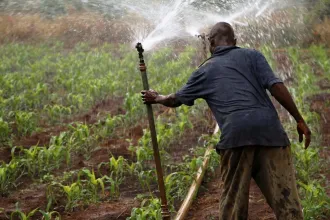
Many of Belize's villages experience unreliable access to water and variable water quality. The Technology Action Plan proposes a pilot project to establish a rudimentary water system that will benefit 19,500 Belizeans. Depending on the project's success, the technology will be extended to the remaining villages.
Photo credit: R. M. Nunes / Shutterstock.
Belize completed its TNA in 2017. Belize faces serious climate change challenges including rising sea levels and coastal erosion endanger low-lying areas, including critical tourism and fishing zones.
Coral reefs, including the Belize Barrier Reef—a UNESCO World Heritage Site—are under stress from ocean warming, acidification, and coral bleaching. Increasingly intense hurricanes and storms cause flooding, infrastructure damage, and agricultural losses.
Shifting rainfall patterns contribute to droughts and water scarcity, affecting rural livelihoods. These climate impacts undermine food security and biodiversity. Agriculture and tourism are Belize’s key sectors, with tourism and services contributing over 60% to GDP and agriculture employing almost a third of the population.
The rising sea levels are harming offshore aquaculture and in particular the coral reef, an economic calamity, as the reef is estimated to attract 80% of the country’s tourists. On land, the rising sea levels are claiming beaches and threatening the coastal zone where much of the country’s population, agriculture and infrastructure are located.
The TNA proposed an enabling framework that aims to install eight Marine Environmental Monitoring stations. These stations will help protect aquaculture by curtailing the risk of coral bleaching and will also help protect the coastal zone.
Belize’s Technology Action Plan proposes a pilot project to establish a rudimentary water system that will benefit 19,500 Belizeans and may be extended to the remaining villages
Priority technologies for adaptation
Agriculture sector
- Heat- and drought-resistant varieties of open-pollinating corn and bean seeds for reproduction and marketing by four farmers’ cooperatives
- Improved drip irrigation systems for five farming groups using rainwater harvesting and fertigation to satisfy crop nutrient requirements
- Rehabilitation of seven covered structure cooling systems
Coastal and marine ecosystems sector
- Improved environmental monitoring network and early warning system for Belize’s coastal zone to increase resilience to climate change.
Water sector
- Integrated Management Strategy for water safety in eight rural water supply systems
Priority technologies for mitigation
Energy sector
- Off-grid solar photovoltaics
- Gasification
- On-grid solar photovoltaics
Transport sector
- Levying duties on imported motor vehicles based on vehicle fuel efficiency
Land use, land-use change and agroforestry
- Integrated landscape forest management: a management alternative in the Vaca Forest Reserve


Related reports
Get in touch
-
Ministry of Forestry, Fisheries and Sustainable Development
Responsible Entity -
Ann Gordon
TNA coordinator