
 Burkina Faso
- Technology Needs Assessment
- About TNA
- Countries & Technologies
- TNA Methodology
- TNA Database
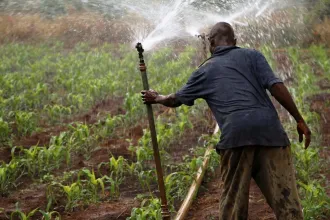
Three out of four technologies prioritized in the TNA were closely linked to the family farm.
Photo credit: Axel Fassioa, CIFOR / Flickr.
Burkina Faso completed its TNA in 2018 and project ideas developed through the TNA became an important tool for the operationalization of Burkina Faso’s NDC.
One of the technologies highlighted by the TNA was the installation of photovoltaic energy generators. Based on climate scenarios in Burkina Faso, it was calculated that the installation of a 10MWc generator would result in 5.5 kWh produced per m2 per day. This constitutes the basis of consumer need and showed that, should the technology be fully established, Burkina Faso could reduce its emissions by approximately 11 ggCO2e per year.
Agriculture and forestry are key components of Burkina Faso’s economy. The increased frequency and intensity of droughts and floods, combined with higher temperatures, are increasingly having a negative effect on sectors such as agriculture, livestock and water management. Burkina Faso faces a fundamental need for climate services to safeguard people’s lives, in addition to increasing economic efficiency and social stability.
Three out of four technologies prioritized in the TNA were closely linked to the family farm. Accordingly, Burkina Faso’s Technology Action Plan detailed a project under the banner of “optimizing the productivity of family farms”, which aimed to encompass three essential technologies: biodigesters, the collection of rainwater into run-off collection basins, and the management of water and soil at the plots.
The TNA identified that implementing these technologies together offered better opportunities for economies of scale. Another benefit is the ability to exploit the complementary effects that the three technologies have on each other. The project’s overall objective is to optimize the productivity of family farms while at the same time improving their sustainability.
Priority technologies for adaptation
Agriculture sector
- Biodigesters
- Integrated sustainable land management combining stone lines, Zaï and assisted natural regeneration.
- Rehabilitation of degraded land for silvopastoral purposes by subsoiling / plough microbasins
- Run-off water collection pools
Forestry sector
- Promotion of improved household fireplaces
- Management of natural forests
- Creation by the Territorial Collectives of conservation with communal involvement
Priority technologies for mitigation
Energy sector
- Improved fireplaces
- Hydroelectric power stations
- Solar photovoltaics / solar home systems
Transport sector
- Trams
- Biodiesel
- Solar buses


Get in touch
-
Secrétariat Permanent du Conseil National pour l’Environnement et le Développement Durable (SP/CONEDD)
Responsible Entity -
Goudouma Zigani
TNA coordinator