 Benin
Benin
- Technology Needs Assessment
- About TNA
- Countries & Technologies
- TNA Methodology
- TNA Database
Benin is began its TNA in 2020 and finalized the project in 2023, strengthening the countries efforts towards climate action.
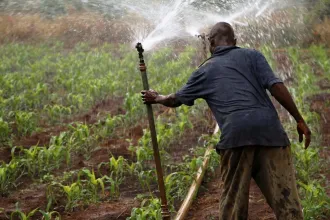
Photo credit: Axel Fassioa, CIFOR / Flickr.
Benin is began its TNA in 2020 and finalized the project in 2023, strengthening the countries efforts towards climate action.
Located in West Africa, Benin shares borders with Togo, Nigeria and Burkina Faso and has a short coastline on the Gulf of Guinea. Like most coastal nations, a large share of Benin's population and its largest city are located on the coast. Even with a short coastline, coastal erosion and rises in sea level are threatening vulnerable communities and the country's economic hubs. Benin's agricultural sector is predominantly engaged in cotton production, which accounts for roughly 40% of its total exports.
Apart from rising sea levels, climate change threatens Benin on several fronts. The agricultural and forestry sectors are vulnerable to rising temperatures and changes in rainfall patterns. Flooding, drought and strong winds are increasing, and the northern areas and southern areas in particular, home to the majority of the population, are vulnerable to these changes.
Priority technologies for adaptation
Agriculture
- Mulching
- Agro pastoralism
- Integrated management of low-land growing rice
Water
- Development of watersheds to improve safety food and nutrition for the benefit of vulnerable populations
- Multi-purpose drilling
Priority technologies for mitigation
Agriculture/Forestry
- Integrated soil fertility management
- Production and use of manure
- Reforestation
Energy
- Solar water heater
- Bus-boats for river-lagoon transport and associated infrastructures
- Light diesel-electric trains for interurban transport
- Small butane gas cooking equipment


Related reports
Get in touch
-
Ministère du cadre de vie et du développement durable
Responsible Entity -
Aminou Raphiou
TNA coordinator