
UNEP Copenhagen Climate Centre works across sectors and national levels to help countries move towards a low-carbon and resilient future. The Centre promotes cost-effective and implementable solutions to reduce emissions while promoting sustainable development and green growth.
The Centre is co-editing and -producing the annual UNEP Emissions Gap Report, tracking the gap between current emissions trajectories and the Paris Agreement temperature goals.

Country Support
The UNEP Copenhagen Climate Centre supports countries in their mitigation efforts on all levels. From implementing and financing new technologies, increasing energy efficiency across equipment and buildings and efficient district energy systems, to electric cooking technology and low carbon transport systems.
Where we work
- Filter by
Energy

The UNEP Copenhagen Climate Centre works to make sure we can power our societies and meet our heating and cooling needs, with sustainable and affordable energy for all.
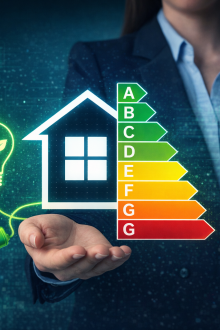
A key part of this work relates to increasing implementation and financing of energy efficiency to achieve a doubling of the global energy efficiency improvement rate by 2030, in line with Sustainable Development Goal 7 and the targets set at COP28.
Improving energy efficiency is one of the most cost-effective measures to mitigate greenhouse gas emissions while improving energy security, promoting economic growth, reducing energy poverty, and creating green jobs.
The Centre’s work on energy and energy efficiency covers Cities, District Energy Systems, Buildings and Transport. It also includes hosting the Global ESCO Network, working with energy service providers to increase investments in energy efficiency.
For over ten years the UNEP Copenhagen Climate Centre also hosted the Copenhagen Centre on Energy Efficiency (C2E2). Read more about the approach and impact of the C2E2 here.
Cities
Cities consume around 75% of global energy and are responsible for approximately 70% of greenhouse gas emissions. Numbers expected to rise in the future. Heating and cooling alone can represent up to 50% of building energy demand in cities, making improvements in these systems critical.
Cities can leverage district energy systems, renewables, and integrated cooling and heating services to reduce their energy demand, associated emissions and energy costs.
UNEP Copenhagen Climate Centre helps cities progress from assessment to implementation and developing investable projects. This includes tools and guidance to evaluate technical feasibility, socio-economic benefits, and develop business models. Such support helps unlock public and private finance and accelerates deployment, particularly in developing countries.
UNEP Copenhagen Climate Centre supports cities in advancing integrated climate solutions that reduce emissions, strengthen resilience, and deliver wider development benefits. This also includes a strong focus on strengthening climate resilience through integrated urban planning and nature-based solutions helping cities reduce risks while increasing their resilience to climate impacts. The Centre also works on urban Loss and Damage to reduce climate risks and strengthen the resilience of vulnerable communities, infrastructure, and services.
District Energy Systems
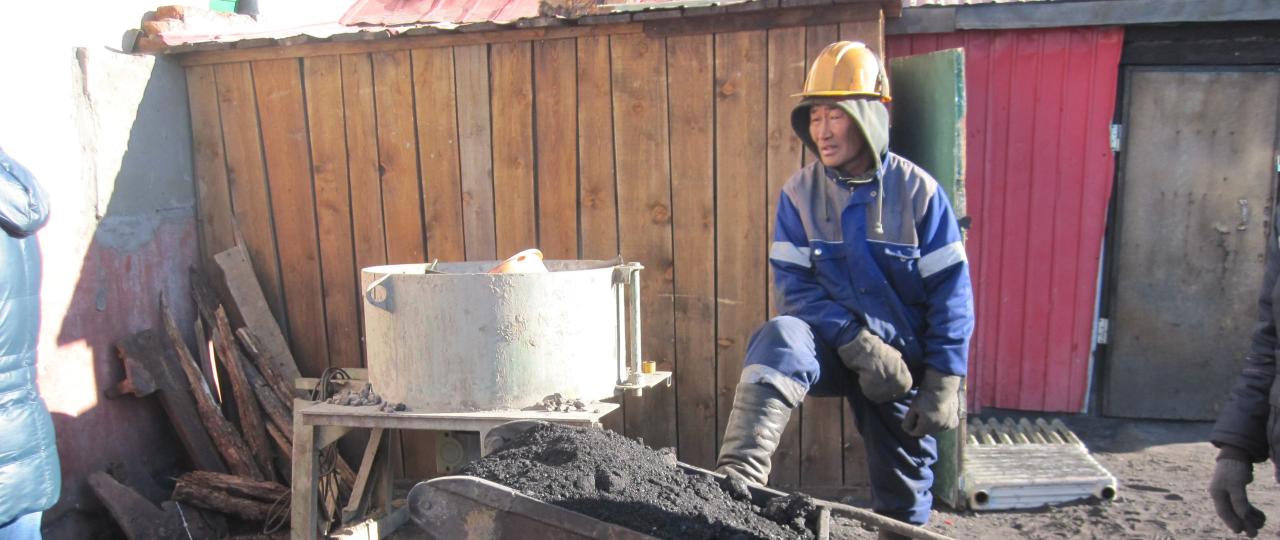
The UNEP Copenhagen Climate Centre supports cities in transitioning to low-carbon heating and cooling systems through modern district energy networks that integrate renewable energy, waste heat, and efficient infrastructure.
District energy systems enable economies of scale, improved efficiency, fuel diversification, and integration with urban planning, while offering significant energy savings. They can also reduce air pollution and mitigate energy poverty risks.
UNEP Copenhagen Climate Centre assists cities with pre-feasibility assessments, detailed feasibility studies, and the development of implementation and financing plans for sustainable heating and cooling systems.
To create enabling environments and attract large-scale investment, UNEP Copenhagen Climate Centre also supports city and national governments in developing policy frameworks, regulatory structures, and viable business models.
Buildings
Because buildings have long lifetimes, decisions made today regarding design, materials, heating and cooling systems, and insulation, can lock in energy use and emissions for decades. Without urgent action, the built environment could significantly hinder efforts to achieve global climate and energy efficiency goals.
UNEP Copenhagen Climate Centre’s work in the buildings sector combines science and research, policy advisory, and implementation support with a strong focus on developing countries and cities, and across the full value chain from materials to operation.
The Centre supports governments and cities in developing and implementing policy frameworks, standards, and energy efficiency measures, while also working with financial institutions, the building sector, and industry to ensure effective on-the-ground implementation.
Transport
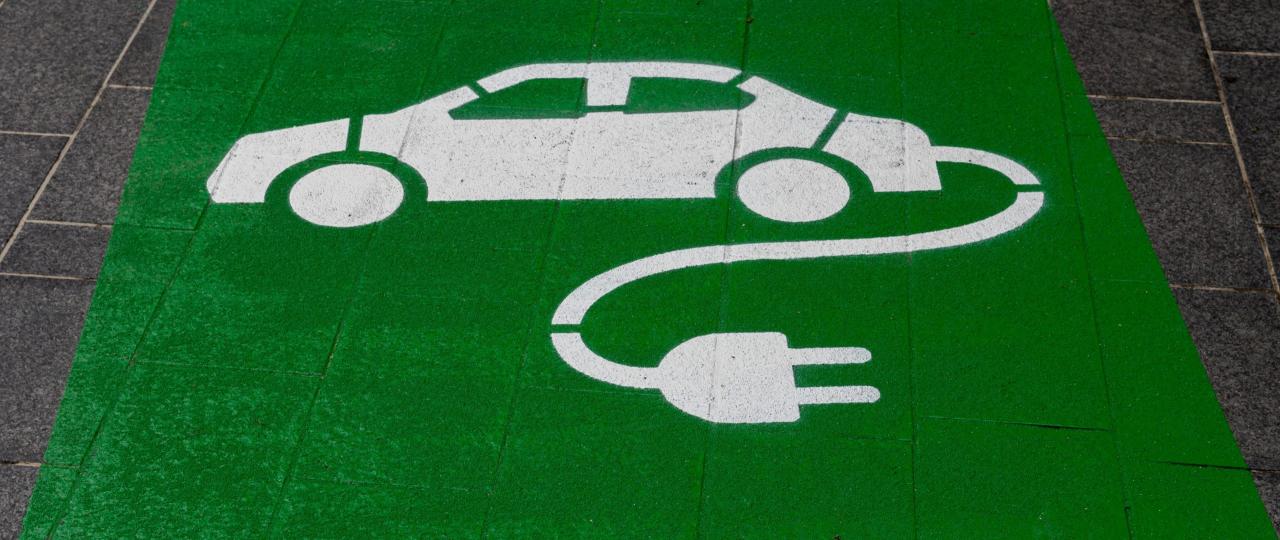
The Paris Agreement provides the definitive roadmap for global climate action. To meet its goals, transforming the transport sector is non-negotiable. Currently, transport accounts for approximately 23% of global energy-related CO2 emissions, with road transport alone responsible for 70% of that figure. As rapid urbanization accelerates across Asia and Africa, the demand for motorized transport is surging. In many emerging economies, vehicle registrations are growing by more than 10% annually, leading to critical levels of congestion, air pollution, and fossil fuel dependency. Without urgent intervention, these trends will decouple cities from their climate targets.
UNEP Copenhagen Climate Centre helps national and local governments navigate this transition using the integrated “Avoid–Shift–Improve” framework:
- Avoid: Reducing the need for motorized travel through integrated land-use planning and digital connectivity.
- Shift: Moving trips to more sustainable, lower-carbon modes such as public transit, walking, and cycling.
- Improve: Enhancing the energy efficiency of vehicles and scaling up the adoption of electric mobility and cleaner fuels.
This is done through four primary approaches:
- Long-term Planning: Developing data-driven roadmaps for Net Zero Cities.
- Institutional Alignment: Strengthening the link between urban needs and national policy frameworks including NDCs.
- Social Equity: Ensuring transport systems improve access for vulnerable and marginalized groups.
- Transparency & Accountability: Enhancing the monitoring and reporting of climate actions to ensure measurable progress.
Copenhagen Centre on Energy Efficiency
Copenhagen Centre on Energy Efficiency – A Decade of Global Impact
For over ten years, the Copenhagen Centre on Energy Efficiency (C2E2) served as the global Energy Efficiency Hub of the UN Secretary-General’s Sustainable Energy for All (SEforALL) initiative, driving international action to double the global rate of energy efficiency improvement. Hosted by UNEP Copenhagen Climate Centre, the Centre worked with governments, cities, financial institutions, and the private sector to turn ambition into measurable progress.
Accelerating Energy Efficiency Worldwide
C2E2 supported countries and cities in identifying, designing, and implementing energy-saving policies and projects. Its work focused on practical, scalable solutions across key sectors — buildings, industry, transport, and district energy — helping partners unlock economic, environmental, and social benefits through improved efficiency.
From Knowledge to Action
A core part of the Centre’s mission was to bridge the gap between global best-practice and local implementation. C2E2 produced widely used knowledge resources, analytical tools, and capacity-building programmes, while facilitating peer-to-peer exchanges and technical assistance. This enabled policymakers and practitioners to adopt proven approaches and accelerate their own energy transitions.
Catalyzing Investment and Partnerships
Recognizing that efficiency gains require both policy and finance, the Centre worked to mobilize investment in energy-efficient technologies and infrastructure. Through partnerships with development banks, city networks, private sector and industry leaders, C2E2 helped shape investable projects and supported the development of enabling frameworks for sustainable energy investment.
A Foundation for UNEP Copenhagen Climate Centre’s Ongoing Energy Efficiency Work
The legacy of the Copenhagen Centre continues to inform and strengthen UNEP Copenhagen Climate Centre’s current energy efficiency portfolio. Specifically, by hosting the Global ESCO Network Secretariat. The experience, networks, and methodologies developed over a decade now underpin the UNEP Copenhagen Climate Centre’s ongoing efforts to support countries in achieving their climate and sustainable development goals through efficient, resilient, and low-carbon energy systems.
NDC and Net Zero

To support the global transition toward low-emission development pathways and bridge the gap between commitments and implementation, UNEP Copenhagen Climate Centre provides the technical capacity required to elaborate long-term strategies, identify sector-specific policy responses, and integrate net-zero pathways into national policymaking.
For a net-zero target to be successful, it must be integrated into strategic decision-making at both national and sub-national levels. The Centre specializes in downscaling global targets and commitments, such as NDCs, into actionable, evidence-based pathways for states, provinces, and cities.
The Centre’s work and analysis show that a structured net-zero transition can create green jobs and improve public health by drastically reducing air pollution.
Core Activities
UNEP Copenhagen Climate Centre assists developing countries in navigating this transition through:
- Technical Capacity Building: Empowering governments to design and manage long-term strategies.
- Sector-Level Policy Design: Identifying high-impact interventions in industry, transport, and energy.
- Sub-national Downscaling: Ensuring that national NDCs are reflected in state and local planning.
- Policy Integration: Embedding net-zero pathways into existing national climate change frameworks.
Transparency
Transparency is central to tracking progress towards climate goals under the Paris Agreement’s Enhanced Transparency Framework (ETF). UNEP Copenhagen Climate Centre supports countries in building robust transparency systems for mitigation, combining technical assistance, capacity building, and peer-to-peer learning.
UNEP Copenhagen Climate Centre helps countries strengthen the core components of mitigation transparency. This includes support for the preparation of Biennial Transparency Reports (BTRs), with a strong focus on greenhouse gas (GHG) inventories — one of the most critical elements of the ETF. Countries receive training and hands-on support to improve the accuracy, completeness, and consistency of their inventories.
Support also covers the tracking of Nationally Determined Contributions (NDCs), including the assessment and monitoring of mitigation measures over time. UNEP Copenhagen Climate Centre provides tools and methodologies for greenhouse gas projections and modelling, including the widely used GACMO tool, enabling countries to assess future scenarios and policy impacts.
In addition, UNEP Copenhagen Climate Centre works at the sub-national level, supporting cities and regions in identifying mitigation options and linking these efforts to national targets. Across all areas, emphasis is placed on strengthening institutional arrangements and technical capacity to ensure sustainable, country-owned systems.
The Centre is also hosting and maintaining the Climate Transparency Platform enabling countries to share practical experiences and continuously improve their approaches and transparency support providers to coordinate interventions.
Tools and Resources
UNEP Copenhagen Climate Centre has developed several tools and resources designed to assist countries and cities plan, implement, and track climate mitigation and energy-efficiency measures.
Find related tools and resources below: