

Who we are
UNEP Copenhagen Climate Centre is a leading international advisory institution supporting developing countries in their transition towards low-carbon and climate-resilient futures that deliver on the Paris Agreement and Sustainable Development Goals.
For more than 35 years, the Centre has partnered with countries worldwide in advancing energy, climate, and sustainable development priorities.
Anchored in the Climate Change Division of United Nations Environment Programme (UNEP), the UNEP Copenhagen Climate Centre works with governments, cities and institutions to translate global climate commitments into on-the-ground implementation. The Centre also delivers technical and science-based inputs, including global assessments, that informs international frameworks and high-level climate negotiations under the United Nations Framework Convention on Climate Change (UNFCCC).
About the UNEP Copenhagen Climate Centre
As part of UNEP’s Climate Change Division, UNEP Copenhagen Climate Centre supports countries in implementing climate goals through research, analysis, and technical advisory services.
The UNEP Copenhagen Climate Centre works with developing countries and emerging economies to accelerate the transition towards low-emission, climate-resilient development. Its support helps governments integrate climate considerations into national planning, strengthen institutions, and design policies that deliver real-world impact across sectors such as energy, transport and urban development.
This work responds to the urgent need for more effective climate action while also addressing the development challenges faced by vulnerable communities. The Centre supports countries in identifying practical pathways that reduce emissions, strengthen adaptation, and improve resilience in ways that are socially inclusive and economically viable, while delivering on core development priorities including green job creation, ensuring health and wellbeing, and reducing poverty.
As part of UNEP, the Centre plays a bridging role between global climate frameworks and national implementation. It combines analytical expertise with hands-on advisory support to help countries plan, implement and track climate action turning climate commitments into on-the-ground implementation and impact. Through this, the UNEP Copenhagen Climate Centre contributes to more effective policies, stronger institutions and more resilient societies.
Our staff
-

Anne Olhoff
Director
-

Denis Desgain
Head of Mitigation Section
-
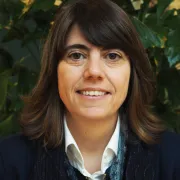
Gabriela Prata Dias
Head of Markets Section
-
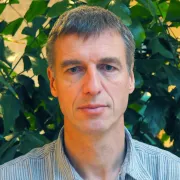
Henry Neufeldt
Head of Adaptation Section
-

Jacob Ipsen Hansen
Head of Operations Support
-

Mette Annelie Rasmussen
Chief Advisor, Outreach and Communications
-

Sara Lærke Meltofte Trærup
Head of Technology Section
-
Jacob Ipsen Hansen
Head of Operations Support
-

Mino Harintsalama Rakotondratsiry
Finance Assistant
-

Pia Riis Kofoed-Hansen
Administrative Assistant
-

Thomas Kragh Laursen
Internal Service Clerk
-

Aristeidis Tsakiris
Advisor - Knowledge Management Systems
-

Lasse Hemmingsen
Communications Officer
-
Mette Annelie Rasmussen
Chief Advisor, Outreach and Communications
-

Abhishek Kaushik
Senior Advisor – Climate and Carbon Markets
-

Aiymgul Kerimray
Scientist - Energy
-
Denis Desgain
Head of Mitigation Section
-

Denis Machnik
Senior Advisor - Carbon Markets
-

Fernando Farias
Senior Advisor - Climate Transparency
-

Freya Milford
Project Officer
-

Jiajing Zhao
Advisor - Carbon Markets
-

Juliette Lunel
Project Officer - Climate and Energy
-

Khetsiwe Khumalo
Senior Advisor - Climate Transparency
-

Sandra Roxana Aparcana Robles
Senior Advisor - Circular Economy
-

Subash Dhar
Senior Scientist - Energy and Transport
-

Susanne Konrad
Advisor - Climate Transparency
-

Talat Munshi
Senior Advisor - Cities and Transport
-

Fatemeh Bakhtiari
Senior Advisor - Climate Policy, Loss and Damage
-

Geronimo Gussmann
Advisor - Nature-based Solutions
-
Henry Neufeldt
Head of Adaptation Section
-

Jingjing Gao
Scientist - Impact and Adaptation
-

Joshitha Sankam
Project Officer - Loss & Damage and Health
-

Julia Rocha Romero
Advisor - Nature-based Solutions
-
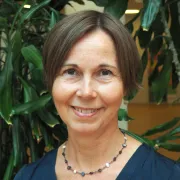
Karen Holm Olsen
Senior Advisor - Carbon Market Coordinator
-

Lars Christiansen
Advisor - Climate Change Adaptation
-

Lindy C. Charlery
Advisor - Climate Change
-

Thomas William Dale
Project Officer - Climate Change Adaptation
-

Alejandro Regatero Labadia
Project Officer - Climate and Energy
-

Blanche Ting
Advisor - Energy and Climate
-
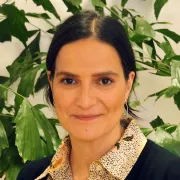
Clarine Ovando-Lacroux
Advisor - Climate Technology
-

Gordon Alexander Mackenzie
Senior Advisor - Climate and Technology
-

Mathilde Brix Pedersen
Advisor - Climate and Energy
-

Mohamed Walid Jomni
Project Officer - Climate Technology
-

Padmasai Lakshmi Bhamidipati
Senior Advisor
-
Sara Lærke Meltofte Trærup
Head of Technology Section
-

Allison Jay Sterling
Senior Advisor
-

Andi Sanusi
Project Officer - Carbon Markets
-

Anna Giulia Murgia
Project Officer - Carbon Markets
-

Brian Oronoz
Advisor - Carbon Markets
-

Clara Camarasa
Senior Advisor
-

Elisabeth Resch
Senior Advisor - Finance
-

Federico Antonio Canu
Advisor - Finance
-
Gabriela Prata Dias
Head of Markets Section
-

James Haselip
Senior Advisor - Climate and Energy
-

Søren Lütken
Senior Economist - Finance
-

Thibaut Pasquet
Project Officer - Climate and Energy
-

Trupti Yargattimath
Project Officer - Climate and Energy
-

Zhuolun Chen
Senior Advisor - Energy Efficiency and Finance