
 Afghanistan
Key technology needs include improved water management, such as rainwater harvesting and micro-irrigation, and technologies to support the agriculture sector, including those resistant to climate change and renewable energy solutions like solar technology. The process identifies barriers, like a lack of trained staff and funding, and proposes solutions such as training programs and financial aid.
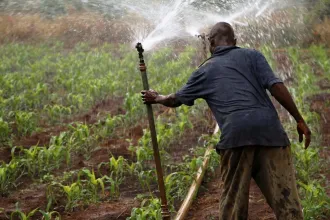
Photo credit: D'July / Shutterstock.
Afghanistan began working on its TNA in 2018 and finalized the process, including Barrier Analysis and Enabling Framework and Technology Action Plans in 2023.
The world adaptation index ranks it the most vulnerable country in the world.
Climate change is influencing irregular rainfall, harsher winters, more frequent droughts and floods. Deforestation and desertification are exacerbated by trees being cut for fuel and construction, leading to soil erosion and loss of biodiversity, reduced agricultural productivity, and worsening food insecurity. Together, these environmental pressures endanger livelihoods dependent on agriculture, public health, and social stability.
Agriculture contributes an estimated 31% to the country’s GDP, and approximately 85% of Afghans depend on primarily rain-fed agriculture and agribusiness for their livelihoods.
Afghanistan's technology needs assessment (TNA) prioritizes climate change adaptation and mitigation technologies, focusing mainly on the water and agriculture sectors, which are vital for food security and livelihoods. Key technology needs include improved water management, such as rainwater harvesting and micro-irrigation, and technologies to support the agriculture sector, including those resistant to climate change and renewable energy solutions like solar technology. The process identifies barriers, like a lack of trained staff and funding, and proposes solutions such as training programs and financial aid.
Priority technologies for adaptation
Agriculture
- Crop diversification and new varieties
- Responsive agricultural extension
- Introduction of plant varieties resistant to climate change
- Land use planning
- Conservative agriculture
- Agroforestry
Water
- IWRM
- Small damas and micro catchment
- Rainwater collection from ground surface
- Micro irrigation for efficient water use and management
Priority technologies for mitigation
Energy
- Solar energy connected to grid
- Small Hydropower
Waste management
- Reduce, Reuse, Recycle (3Rs)
- Methane capture from landfill site


Related reports
Get in touch
-
National Environmental Protection Agency
Responsible Entity -
Rohullah Amin
TNA coordinator