
 Myanmar
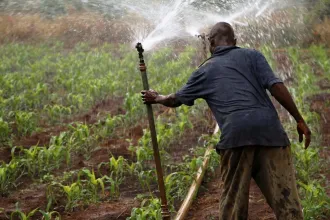
Many of the drivers of poverty and potential growth opportunities in Myanmar are connected with water management within the agricultural sector, which it is aimed to improve.
Photo credit: D'July / Shutterstock.
Myanmar completed its TNA process in 2023 as part of the TNA III. The TNA prioritised agriculture and water resource management, which included improving salinity-resistant rice varieties and better water management strategies.
It also prioritised industrial energy efficiency sector and the promotion of energy-efficient cook-stoves to reduce fuel wood use.
Myanmar is home to more than a hundred ethnic groups. Myanmar relies heavily on agriculture for income generation and economic growth, and 75% of the rural population base their livelihoods in the agriculture, livestock and fishery sectors.
Many of the drivers of poverty and potential growth opportunities in Myanmar are connected with water management within the agricultural sector, which it is aimed to improve.
Among the key challenges in achieving sustainable development are increasing crop production and trade, improved weather forecasting, increasing adaptation to extreme flood and drought events, and better strategies for water storage. Addressing these challenges is fundamental to securing long‐term stability and progress within the country.
Participation in the TNA process supports Myanmar to achieve SDGs:
Priority technologies for adaptation
Agriculture
- Solar powered drip irrigation technologies in cash crop production and plantation
- Conservation Agriculture (CA) technology for sustainable rain fed agriculture lands
- Improvement of “Salinity tolerance rice varieties” in coastal and inland salinity areas
Water
- Renovation and improvement in village ponds and tube wells
- Water resources management for disaster management in river basin areas
- Solar-powered desalination and purification technology in coastal areas
Priority technologies for mitigation
Energy
- Solar Mini Grid
- Replacing incandescent lamps and fluorescent lamps with LED
- Substitution of Fuelwood with efficient fuel (LPG) at Household Level for cooking
Industry
- Energy Efficient Boiler
- Efficient Electric Motor
- Solar thermal


Get in touch
-
Environmental Conservation Department
Responsible Entity -
Kyaw San Naing
TNA coordinator