
 São Tomé and Principe
- Technology Needs Assessment
- About TNA
- Countries & Technologies
- TNA Methodology
- TNA Database
The chosen sectors for adaptation were agroforestry and water, and for mitigation, energy and transport.
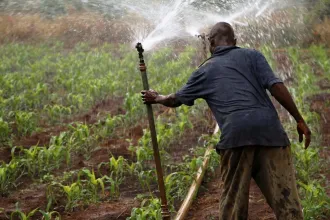
Photo credit: Axel Fassioa, CIFOR / Flickr.
The state of São Tomé and Principe completed its TNA 2023.
Agriculture is the biggest source of incomes for São Tomé and Principe’s rural families, generating 70% of rural employment and about 80% of export revenues. Nearly 20% of the workforce is employed in artisanal fisheries, and the majority of the villagers are small-scale farmers, fishermen or involved in a fishing activity.
Being a least developed country and small island developing state, São Tomé and Principe is highly vulnerable to the impacts of climate change. It is particularly vulnerable to hazards such as floods, flash floods, storms and drought.
The chosen sectors for adaptation were agroforestry and water, and for mitigation, energy and transport. The corresponding prioritised technologies for these sectors were:
- Agroforestry: protected cultivation integrated in greenhouses, sustainable agricultural land management, agro-silvo-pastoral system
- Water: integrated management of hydrographic basins, water safety plan, construction and maintenance of existing dams and water reservoirs
- Energy: solar photovoltaic power plant, hydroelectric power, efficient management of the electricity system
- Transport: electric light cars, electric motorcycles, electric public transport with photovoltaic roofs
The water-sector proposal “construction and maintenance of existing dams and water reservoirs”, was developed into a concept note for possible submission to a funding agency.
Priority technologies for adaptation
Water
Agriculture and forestry
Coastal Zones
Priority technologies for mitigation
Energy
Transport


Get in touch
-
Maurean Barroso
TNA coordinator