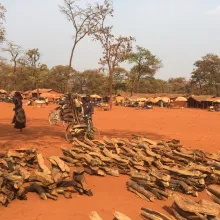
Piloting waste-to-energy solutions in humanitarian contexts
This project's overarching goal is reducing public health risk and to stabilize household livelihoods in humanitarian crisis by improving delivery of waste management services, access to energy and income generating activities through implementation of innovative waste-to-energy solutions.
In this context, the role of UNEP DTU partnership was to identify appropriate waste-to-energy solutions tailored to the context of three pilot countries affected by large movements of refugees/migrants (Jordan and Turkey) and climate change/disasters (Tokelau in the Pacific Ocean).
UNEP DTU Partnersh
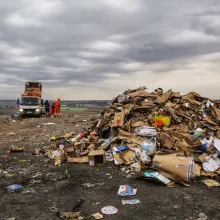
Sustainable energy in situations of displacement
By the end of 2019, 79.5m people had been forcibly displaced as a result of persecution, conflict, violence, human rights violations or events seriously disturbing public order. This is more than 1% of the world’s population. UNHCR and host countries are struggling to accommodate growing numbers of refugees, 85% of whom are hosted by low or middle-income countries.
While global data remains patchy and unstandardized, approximately 90% of refugees living in rural settlements have very limited access to reliable, clean and sustainable electricity or cooking fuels.